

Introduction
Kyoto is Japan’s cultural heart, filled with ancient temples, peaceful gardens, lively markets, and beautifully preserved districts. It served as the imperial capital for over a millennium, making it one of the richest historical cities in Japan. With its blend of tradition and modern charm, Kyoto provides travelers with an experience that feels both timeless and deeply immersive.
Top Attractions in Kyoto
Fushimi Inari Taisha
Highlights
-
Endless tunnel of torii gates
-
Mountain viewpoints
-
Fox statues symbolizing good fortune
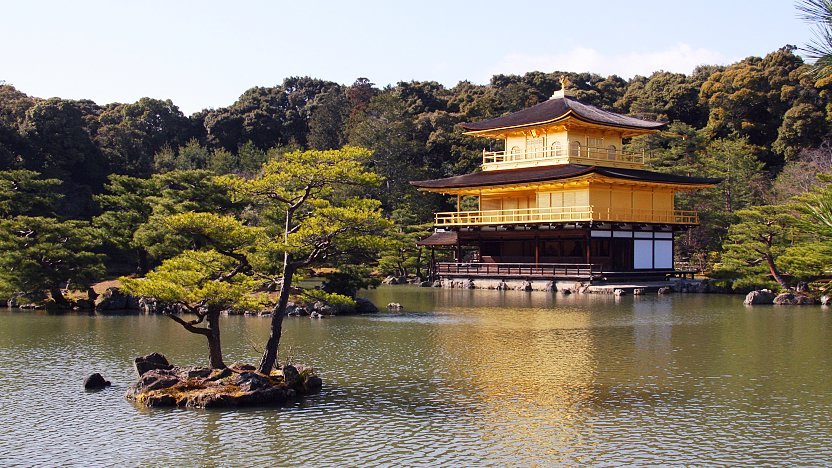
Kinkaku-ji (The Golden Pavilion)
Highlights
-
Strolling gardens
-
Mirror-like pond views
-
Tea house overlooking the landscape
Arashiyama Bamboo Grove
A serene bamboo forest that offers a peaceful escape from the city. Early mornings provide the most magical atmosphere as sunlight filters through the tall stalks.
Highlights
-
Tenryu-ji Temple
-
Katsura River scenery
-
Sagano Romantic Train
Gion District
Gion is Kyoto’s most famous historic district, known for its traditional wooden buildings, teahouses, and geisha culture. Evenings are especially atmospheric as lanterns glow along narrow lanes.
Highlights
-
Hanamikoji Street
-
Yasaka Shrine
-
Authentic kaiseki dining
Best Time to Visit Kyoto
Spring (March–May)
Cherry blossoms transform Kyoto into a dreamscape, with prime viewing spots such as Maruyama Park and the Philosopher’s Path. Temperatures are mild and perfect for sightseeing.
Autumn (October–December)
One of the most beautiful seasons in the city, with brilliant red and yellow foliage. Top spots include Eikando, Kiyomizu-dera, and Tofuku-ji.
Winter (January–February)
A peaceful time to visit, with fewer crowds. Light snowfall can create breathtaking scenes around temples and gardens.
Summer (June–September)
Hot and humid, but filled with festivals. July’s Gion Matsuri is one of Japan’s largest and most spectacular celebrations.
Where to Stay in Kyoto
Gion & Higashiyama
A great choice for travelers who want to stay close to Kyoto’s historical attractions and enjoy traditional accommodations.
Best For:
-
Ryokan experiences
-
Charming old streets
-
Access to major temples
Kyoto Station Area
A modern district with excellent transport connections, ideal for convenience and quick access to different parts of the city.
Best For:
-
First-timers
-
Budget and mid-range hotels
-
Easy transportation
Arashiyama
A peaceful riverside district surrounded by nature, perfect for slower-paced travel.
Best For:
-
Scenic stays
-
Relaxation
-
Nature lovers
Top Things to Do in Kyoto
Experience a Tea Ceremony
Participate in a traditional tea ceremony to understand Japanese hospitality, ritual, and Zen philosophy.
Try Kyoto Cuisine
The city is renowned for dishes such as:
-
Kaiseki (multi-course fine dining)
-
Yudofu (tofu hot pot)
-
Matcha desserts
-
Nishiki Market street foods
Explore Kyoto by Bike
Cycling offers a scenic way to navigate temple routes and riverside paths.
Visit Lesser-Known Temples
While big temples draw crowds, hidden gems like Daigo-ji, Gio-ji, and Honen-in offer tranquility.
How to Get Around
Public Transport
Buses and trains are reliable and cover most major attractions.
Walking
Many areas, especially Gion and Higashiyama, are best explored on foot.
Taxis
Useful for late-night transportation or reaching remote temples.
Travel Tips for Kyoto
-
Arrive early at popular attractions to avoid crowds
-
Carry cash, as smaller vendors may not accept cards
-
Respect temple etiquette and photography rules
-
Learn basic Japanese greetings for a more pleasant experience
-
Wear comfortable shoes for walking and temple stairs
Frequently Asked Questions
1. How many days should I spend in Kyoto?
Three to five days is ideal to explore major temples, districts, and cultural experiences.
2. Is Kyoto expensive for tourists?
It can be moderate to high depending on accommodation and dining choices, but budget options exist.
3. What is the best area for first-time visitors?
Kyoto Station area offers the best convenience and access for beginners.
4. Do I need to know Japanese to visit Kyoto?
No, but simple phrases help. Many signs and transport systems include English.
5. Are geisha photos allowed in Gion?
Taking photos of geisha without consent is discouraged; follow posted rules to avoid fines.
6. What local foods should I try?
Matcha sweets, tofu dishes, kaiseki meals, and seasonal delicacies are must-tries.
7. Is Kyoto child-friendly?
Yes, with parks, cultural sites, gentle hikes, and interactive museums suited for families.

Comments are closed.