
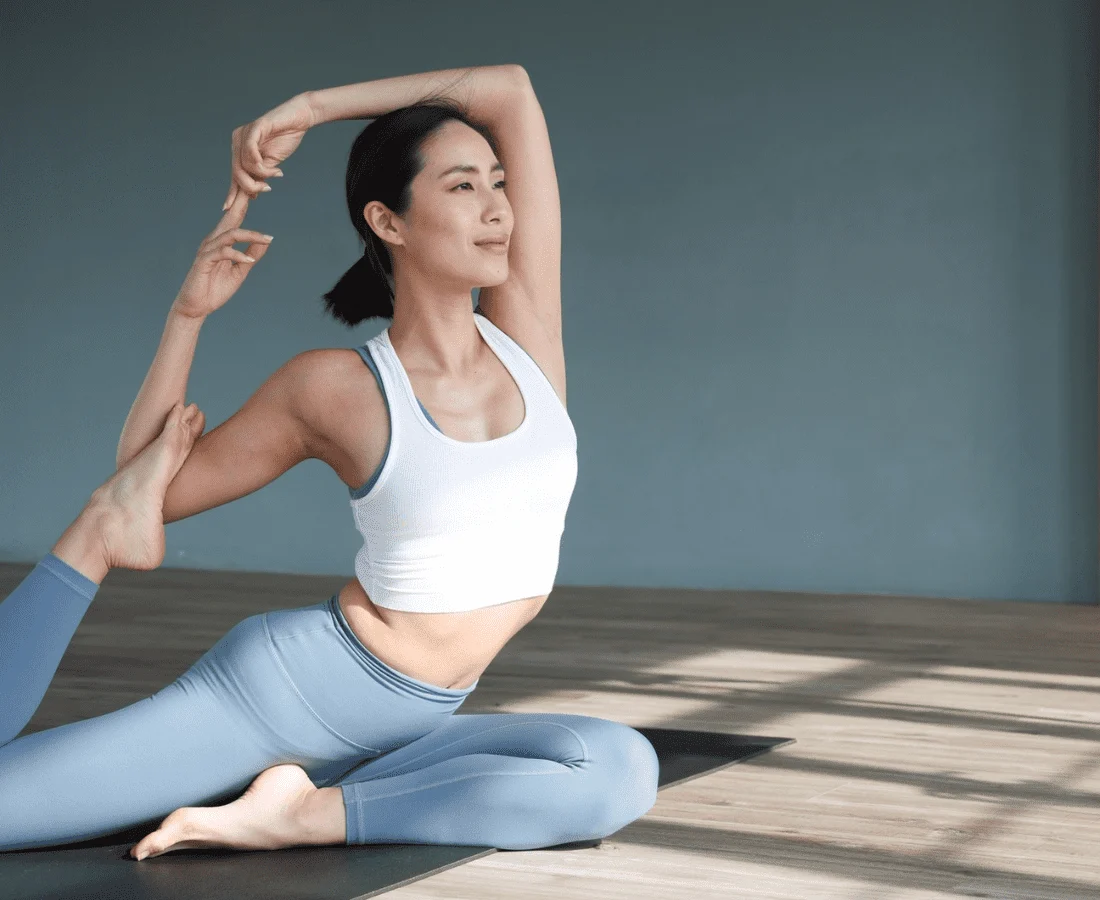

Travel can create an unusual mix of inactivity and fatigue. Long periods of sitting are followed by walking with luggage, unfamiliar beds and days organised around flights or meetings. The body may feel stiff, but a highly demanding workout is not always the best response when sleep and daily rhythm are unsettled.
For suitable travellers, yogalates singapore sessions can provide active recovery through controlled strength, mobility and deliberate pacing. The goal is not to erase jet lag or compensate for every hour spent seated. It is to reintroduce varied movement at a dose that supports the rest of the trip.
Active Recovery Is Still Exercise
Active recovery usually means lower-intensity movement that feels manageable alongside fatigue or harder training. It is not the same as doing nothing, and it should not become a disguised high-intensity session.
Yogalates can fit this role when range, leverage and duration remain moderate. A difficult class may be valuable at another time, but it no longer serves recovery if it leaves the traveller significantly more depleted.
Travel Fatigue Has Several Causes
Prolonged sitting may contribute to stiffness, while sleep disruption affects balance, concentration and perceived effort. Dehydration, altered meals and carrying luggage add further demands.
No single exercise addresses all these factors. Movement should sit alongside sleep, hydration, food and a realistic schedule rather than being promoted as a complete travel remedy.
Begin with a Readiness Check
Before class, a traveller can take a short walk and observe energy, breathing and coordination. Ordinary movement provides a useful indication of how the day feels.
Severe fatigue, illness, dizziness or concerning symptoms are reasons to reconsider the session. A prepaid booking should not override health or safety.
Mobility Restores Variety, Not Lost Length
After a flight, people often feel that their hips or spine have physically shortened. One journey does not permanently shorten the body, but limited positions can make different ranges feel unfamiliar.
Gentle hip, ankle, shoulder and thoracic movements restore variety. They should remain controlled rather than forcing depth to “undo” sitting.
Trunk Work Can Reintroduce Support
Luggage handling and long sitting can make the torso feel tired or poorly coordinated. Supine and quadruped exercises provide a way to reconnect limb movement with trunk control.
Short levers and modest repetitions are appropriate starting points. The aim is to finish feeling organised, not to exhaust the abdominal muscles before another day of travel.
Standing Work Reconnects the Lower Body
Supported squats, lunges and weight shifts bring load back through the feet, knees and hips. These movements can feel useful after hours in a seat.
Depth is optional. Travellers with balance changes or fatigue can use a wall and a shorter stance. Controlled pressure through the feet matters more than achieving a dramatic position.
Transition Speed Should Remain Manageable
Moving rapidly from lying to standing can cause light-headedness, particularly when hydration, food intake or sleep has been disrupted.
Travellers should take time between floor and upright exercises. Pausing in seated or kneeling positions allows them to check how they feel before continuing.
Jet Lag Affects More Than Sleepiness
Circadian disruption can alter appetite, alertness and the timing of physical performance. A traveller may feel energetic at an unusual hour and suddenly tired later.
A class can provide structure in local time, but it cannot instantly reset the body clock. Light exposure, sleep scheduling and time remain central to adjustment.
Choose Class Timing Realistically
Booking immediately after landing leaves little room for delays, immigration, transport or fatigue. A later session or the following day may create a calmer experience.
Business travellers should also avoid placing class between tightly scheduled meetings. Active recovery loses its purpose when arriving and leaving become rushed.
Hydration Begins Before the Studio
Singapore’s humidity can increase thirst during the journey to class. Regular fluid intake after arrival is often more comfortable than drinking a large amount immediately before exercise.
Normal meals can contribute fluids and electrolytes. People with medical conditions affecting hydration should continue following individual clinical guidance.
Meal Timing Affects Floor Comfort
Travel meals may occur at unusual times. A large meal close to class can make prone work, twists or deep hip flexion uncomfortable.
A familiar, moderate meal or snack with suitable digestion time is generally easier to manage. Strict fasting is unnecessary and may leave some travellers weak or distracted.
Heat and Humidity Change Effort
Visitors from cooler climates may find even an air-conditioned journey warm. Environmental adaptation adds to the overall load of the day.
Clothing should be breathable, and the first session can remain moderate. More sweat is not evidence of better recovery.
Previous Training Still Matters
A regular Pilates or yoga practitioner may understand the basic movements, but travel fatigue can change capacity. A complete beginner needs even more time to learn setup and transitions.
Class selection should reflect both experience and current readiness. An advanced home practice does not require choosing the hardest available travel session.
Do Not Use Exercise to Repay Missed Workouts
Travellers sometimes try to compensate for several missed days with a long or intense class. Fitness does not require immediate repayment.
A moderate return followed by walking and normal daily activity is often more sustainable. Training volume can increase after sleep and routine improve.
Props Support Recovery-Focused Movement
Blocks, cushions, straps and walls can reduce balance demands or change range. They make it easier to choose an appropriate position without abandoning the exercise.
Using support is particularly sensible when the traveller is unfamiliar with the studio or feels less coordinated than usual.
Concerning Symptoms Need Medical Attention
Exercise is not a way to test whether post-flight symptoms are harmless. New one-sided leg swelling, marked pain, redness, warmth, chest pain or unexplained breathlessness requires urgent medical assessment.
A class should be postponed rather than used to treat or investigate such symptoms. General exercise advice cannot determine individual risk.
Active Recovery Should Improve the Wider Day
A suitable session leaves enough energy for meals, work, sightseeing and sleep. Mild muscular work may be noticeable, but substantial exhaustion suggests the dose was no longer restorative.
Travellers can judge the session by how they function afterwards, not only by what they completed during class.
Tourism and Business Plans Affect Recovery
A day with extensive walking, standing or luggage handling already contains physical load. Adding a demanding class may exceed the intended recovery dose.
Conversely, a day of meetings may benefit from varied movement. The best plan considers the entire itinerary rather than treating the class in isolation.
Rebuild Routine Through a Familiar Appointment
When booking with Yoga Edition, travellers can choose a class suited to their experience and explain relevant limitations privately. Allowing extra arrival time reduces the stress of finding the location, changing and understanding studio procedures.
Yogalates can be a useful active-recovery option because it combines movement variety with scalable strength. Its value is not in claiming to reverse travel instantly. It offers a measured appointment through which travellers can assess their present capacity and reconnect with routine without demanding peak performance.
Frequently Asked Questions
How soon after landing can I attend Yogalates?
There is no fixed rule. Consider flight duration, sleep, hydration, symptoms and travel logistics before choosing a moderate session.
Can Yogalates eliminate jet lag?
No. It may support routine and movement, but circadian adjustment still depends on time, light, sleep and scheduling.
Is active recovery supposed to feel easy?
It may include noticeable muscular work, but the dose should remain manageable and should not significantly increase overall fatigue.
Should I stretch deeply after a long flight?
No. Begin with comfortable controlled ranges. Aggressive stretching is not necessary to reverse prolonged sitting.
Can I attend if my leg is swollen after flying?
Concerning one-sided swelling, pain, warmth or redness requires medical assessment. Chest pain or unexplained breathlessness needs urgent help.
What should I bring to a Singapore class?
Bring breathable activewear, water and any information about relevant restrictions. Confirm whether mats and props are supplied.

Comments are closed.