
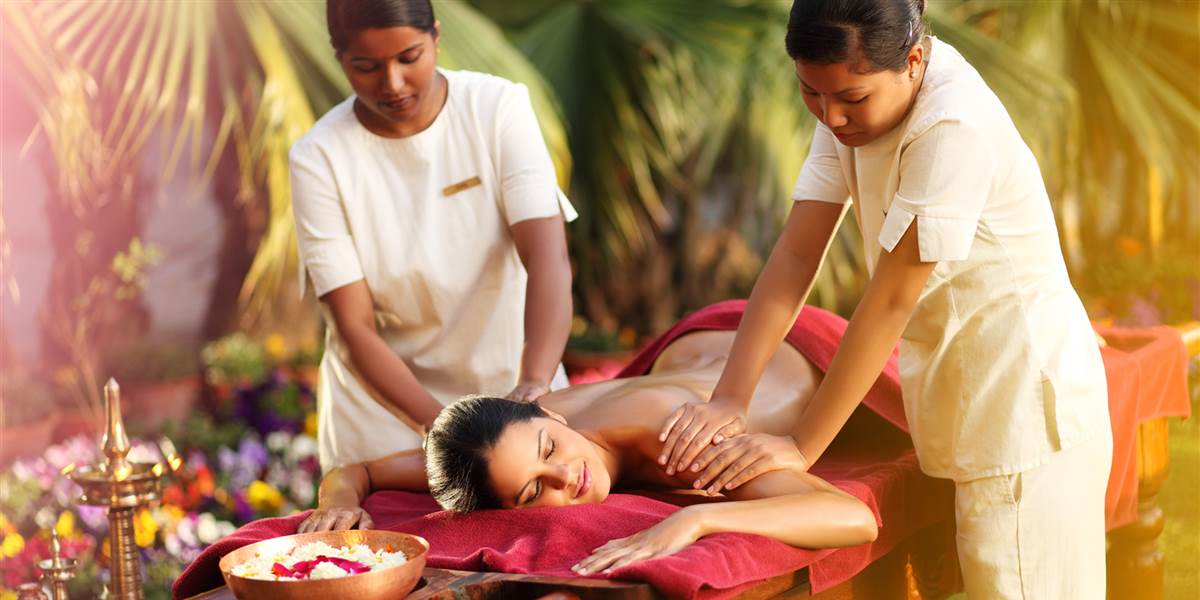

Modern routines place continuous physical and psychological demands on the human body. Between sedentary office hours, digital sensory overload, chronic stress, and inflammatory dietary habits, the biological systems that govern energy and cellular repair often become overwhelmed. While standard vacations provide temporary distraction, they rarely deliver deep physiological restoration. In response, discerning travelers increasingly seek out dedicated wellness and spa resorts that offer immersive detoxification and recovery programs.
Navigating this rapidly expanding market requires careful discernment. Wellness retreats range from casual, pampering day spas nestled in resort hotels to stringent, medically supervised clinical sanctuaries that rebuild metabolic and autonomic health. Choosing the right retreat is an investment of time, finances, and personal wellbeing. Understanding the core methodologies that differentiate exceptional healing sanctuaries from superficial trend-driven destinations ensures that your chosen retreat delivers long-lasting vitality and cellular renewal.
Defining Your Core Wellness Objectives
Before evaluating individual properties, you must establish clear health and recovery targets. A retreat that excels at metabolic resets and visceral fat reduction may follow protocols that look entirely different from an idyllic sanctuary dedicated to neurological decompression and adrenal restoration.
-
Cellular and Hepatic Detoxification: If your goal is addressing toxic load, digestive sluggishness, or metabolic dysfunction, your focus should center on retreats offering supervised clinical fasting, liver flushes, nutritional therapy, and functional diagnostic testing.
-
Musculoskeletal Rehabilitation and Athletic Recovery: Individuals recovering from sports injuries, chronic joint discomfort, or physical exhaustion should prioritize centers equipped with hydrotherapy circuits, advanced physiotherapy, cryotherapy, and deep tissue manipulation.
-
Neurological Decompression and Burnout Reversal: When chronic psychological stress, sleep fragmentation, and mental fatigue dominate, look for sanctuaries that emphasize circadian realignment, vagus nerve stimulation, meditative breathwork, and sensory deprivation therapies.
-
Weight Optimization and Lifestyle Recalibration: Guests seeking sustainable weight loss benefit most from retreats combining bespoke dietary planning, personalized physical training, behavioral psychology, and metabolic rate assessments.
Clarifying these priorities upfront filters out properties that rely on generic schedules, steering you toward sanctuaries tailored to your specific physiological profile.
Clinical Oversight Versus Holistic Healing Philosophies
The operational philosophy of a retreat forms the foundation of the guest experience. High-performing wellness centers generally fall into three operational categories: purely clinical, traditionally holistic, or an integrated hybrid model.
Clinically focused institutions operate like luxurious healthcare facilities. They are led by medical doctors, registered nurses, and licensed biochemists. Upon arrival, guests undergo diagnostic panels, including comprehensive blood tests, heavy metal screenings, hormone evaluations, and heart rate variability assessments. Treatments lean heavily on evidence-based modern therapeutics, such as intravenous nutrient infusions, hyperbaric oxygen chambers, ozone therapy, and continuous glucose monitoring. These environments deliver measurable, quantitative results, though their strict regimens leave little room for unstructured relaxation.
In contrast, traditional holistic sanctuaries draw wisdom from historic healing disciplines, such as Ayurveda, Traditional Chinese Medicine, and traditional European balneotherapy. These programs evaluate health through energetic meridians, doshas, and systemic harmony. Treatments include herbal poultice massages, abdominal therapies like Chi Nei Tsang, acupuncture, and botanical hydrotherapy. The atmosphere at holistic retreats is typically contemplative and peaceful, prioritizing organic balance and gentle lifestyle shifts over laboratory metrics.
Integrated hybrid retreats combine the strengths of both paradigms. These premier destinations run cutting-edge functional diagnostics alongside historic eastern therapies. You might spend your morning reviewing gut microbiome data with a medical specialist, followed by an afternoon of individualized acupuncture and sound frequency immersion. For most guests, this hybrid approach strikes the ideal balance between analytical rigor and nurturing rest.
Evaluating Nutritional Methodologies and Kitchen Practices
Nutrition represents the centerpiece of any authentic detox or recovery journey. A resort may offer world-class treatment facilities, but counterproductive or processed meals will invalidate the entire physiological healing process. When investigating potential retreats, examine their culinary programs with great scrutiny.
Exceptional recovery retreats treat food as targeted medicine. They abandon standard buffet models, instead tailoring every meal to individual diagnostic findings and detox stages. Look for properties that enforce transparent sourcing principles:
-
Regenerative and Organic Sourcing: Ingredients should be organic, seasonal, and free of synthetic pesticides, hormones, and artificial preservatives that strain hepatic detox pathways.
-
Elimination of Common Inflammatory Triggers: Menus ought to naturally exclude refined sugars, gluten, industrial seed oils, dairy, and artificial additives.
-
Caloric and Nutrient Precision: Properties should accommodate a variety of therapeutic nutrition protocols, ranging from calorie-restricted alkaline programs to micronutrient-dense plant-based regimes, clear broth fasts, or ketogenic anti-inflammatory diets.
-
On-Site Herbal and Tincture Integration: Top-tier destinations often cultivate their own therapeutic herb gardens, formulating customized botanical teas and digestive bitters to support gastrointestinal motility and liver clearance.
Ensure that the dining philosophy matches your physical tolerances. If you thrive on protein-supported cellular repair, a center enforcing strict liquid juice cleansing will lead to muscle wasting and intense fatigue rather than optimal recovery.
Diagnostic Capabilities and Advanced Therapeutic Facilities
The depth of a resort’s therapeutic hardware reflects its commitment to genuine recovery. While traditional massage and thermal steam rooms offer relaxation, deep tissue and cellular recovery demand targeted modalities capable of stimulating mitochondria and lymphatic drainage.
Leading recovery sanctuaries routinely invest in advanced physical and bio-energetic technologies. Look for facilities that feature:
-
Advanced Hydrotherapy Facilities: Dynamic thermal circuits utilizing Kneipp paths, contrast hot and cold plunge pools, pressurized Vichy showers, and saline flotation tanks to stimulate circulatory exchange and lymphatic clearing.
-
Photobiomodulation and Infrared Systems: Full-spectrum infrared saunas that penetrate deep dermal layers to mobilize stored toxins, combined with red light panels that accelerate mitochondrial ATP production and tissue repair.
-
Cryotherapy Chambers: Whole-body sub-zero cryo-cabins that trigger systemic anti-inflammatory cascades, boost immune response, and alleviate chronic muscular soreness.
-
Pneumatic Compression and Lymphatic Drainage: Specialized mechanical compression suits and manual lymphatic drainage techniques designed to move stagnant extracellular fluids and accelerate metabolic waste clearance.
-
Hyperbaric Oxygen Chambers: Pressurized pure oxygen environments that saturate blood plasma, speeding up cellular regeneration and down-regulating systemic inflammation.
A world-class retreat does not merely assemble these tools as a marketing showcase. Dedicated physicians and master therapists curate them into sequential treatment journeys, guaranteeing that each intervention amplifies the benefits of the next.
Geographical Environment and Sensory Architecture
The physical location of a wellness resort plays a tangible, biological role in how well your nervous system downshifts from a chronic fight-or-flight state into the parasympathetic recovery mode. The human brain constantly monitors environmental inputs; unnatural frequencies, traffic noise, and artificial lighting continuously interrupt the deep recovery process.
Sanctuaries situated in maritime coastlines, high-altitude alpine zones, or remote old-growth forests offer immediate physiological advantages. Coastal environments supply mineral-dense, negative ion-rich sea air that promotes respiratory wellness. Mountain destinations deliver clean, low-humidity air and opportunities for altitude-based cardiovascular conditioning. Forested properties leverage phytoncides, which are natural organic compounds released by trees that research associates with elevated human immune cell activity.
Examine the property’s architectural acoustics and sensory hygiene as well. The finest retreats utilize biophilic architecture, utilizing natural stone, untreated timbers, and indoor water elements. They enforce strict digital detox zones, banishing glowing screens and personal electronics from common lounges, spas, and dining venues. Furthermore, guest rooms should be engineered as sleep sanctuaries, outfitted with blackout technology, shielded electrical wiring to limit electromagnetic fields, circadian-attuned lighting, and organic, hypoallergenic bedding.
Staff Expertise, Accreditations, and Guest-to-Practitioner Ratios
A retreat’s therapeutic hardware and serene vistas are only as effective as the professionals administering your care. When selecting a recovery resort, conduct thorough research into the credentials and experience of the resident wellness team.
Inquire about the qualifications of the medical director, senior nutritionists, and lead therapists. Are the practitioners full-time resident staff members, or does the retreat rely on visiting contractors who arrive only for short seasonal residencies? Full-time teams offer greater continuity of care, collaborating daily behind the scenes to discuss guest responses and modify treatment plans in real time.
Equally critical is the staff-to-guest ratio. Large-scale resorts hosting hundreds of guests simultaneously struggle to deliver truly personalized care; their operational models inevitably rely on standardized group sessions and rigid, assembly-line treatment blocks. Intimate retreats that cap their guest census at twenty to forty individuals maintain the operational space needed for attentive, nuanced care. In these boutique environments, therapists have the time to tune in to subtle shifts in your vitality, adjusting nutritional profiles and therapy intensities to prevent detox crises and support steady progress.
Post-Retreat Integration and Long-Term Support
The ultimate measure of a retreat’s quality is not how peaceful you feel on your final morning, but how successfully your newfound vitality survives the return to daily life. Many travelers experience an immediate resurgence of fatigue, digestive distress, and stress within days of returning home, because their chosen resort treated the experience as an isolated bubble.
Pioneering wellness resorts design their programs around sustainable lifestyle integration. Before departure, senior practitioners should sit down with you to review your progress, analyze post-program diagnostic results, and formulate an actionable home-care protocol.
This roadmap should outline:
-
Custom dietary guidelines complete with realistic ingredient substitutions for your home kitchen.
-
Targeted supplement protocols to maintain intestinal healing and hepatic pathways.
-
Daily movement, breathwork, and circadian hygiene habits tailored to your professional schedule.
-
Scheduled virtual follow-up consultations with your attending nutritionist or physician to navigate real-world hurdles and sustain your health momentum.
By prioritizing retreats that emphasize post-departure support, you ensure that your investment pays long-term dividends in lasting resilience, energy, and overall health.
Frequently Asked Questions
What physical symptoms commonly appear during the first few days of a structured detox program?
During the initial forty-eight to seventy-two hours of a detox program, many guests experience mild symptoms often referred to as a healing crisis. As the body withdraws from processed sugars, caffeine, and daily stimulants, you may encounter temporary dull headaches, low physical stamina, mild skin blemishes, digestive changes, or emotional moodiness. Experienced retreat practitioners closely monitor these reactions, adjusting hydration, therapeutic teas, and bodywork to ease the transition and support natural clearance.
How far in advance should you prepare your body before arriving at a detox and recovery retreat?
To maximize your retreat results and minimize uncomfortable detox reactions, begin preparing seven to ten days before your arrival date. Gradually taper down your consumption of caffeine, alcohol, refined sugars, dairy products, and processed meats. Increasing your daily intake of pure water, fresh vegetables, and herbal teas during this preparatory period allows your liver and kidneys to begin clearing metabolic waste smoothly, making your on-site therapies far more effective.
What is the recommended minimum length of stay to achieve meaningful cellular detox results?
While a long weekend provides pleasant relaxation, meaningful cellular recovery and metabolic resets generally require a minimum stay of seven to ten consecutive days. The body needs three to four days simply to down-regulate high cortisol levels and adjust to anti-inflammatory nutrition. The secondary phase, where deep cellular detoxification, visceral unburdening, and neurochemical rebalancing occur, typically unfolds between days five and nine. For severe chronic burnout, stays of fourteen to twenty-one days produce the most lasting outcomes.
How can you distinguish between an authentic medical wellness sanctuary and a regular luxury resort with a high-end spa?
The difference lies in diagnostics, clinical qualifications, and program personalization. A regular luxury spa focuses primarily on aesthetic treatments, traditional massages, and relaxation amenities, allowing guests to indulge in wine and rich dining alongside spa visits. An authentic medical wellness sanctuary mandates preliminary health intake forms, employs registered physicians and biochemists, conducts biological laboratory tests, and crafts precise, highly structured daily regimens that dictate all nutrition and therapeutic modalities.
Are intensive detox and fasting retreats safe for individuals taking daily prescription medications?
Intensive detox programs and fasting regimens can significantly alter blood chemistry, liver enzyme activity, and gut absorption rates, which in turn affects how the body metabolizes pharmaceutical drugs. Therefore, individuals on maintenance medications must seek out retreats that feature full-time medical doctors on staff. These clinical directors will review your health history, consult with your primary physician if necessary, and carefully modify treatments to ensure your protocols do not compromise prescription safety.
What should you pack for a stay at an intensive recovery and detox retreat?
Pack primarily for physical comfort, restorative movement, and variable body temperatures. Bring multiple sets of breathable, loose-fitting organic cotton or linen clothing, dedicated athletic wear for gentle mobility work, several swimsuits for hydrotherapy circuits, and sturdy walking shoes for grounding nature trails. Pack warm layers like wool socks, wraps, or fleeces, as body temperature often drops during detox phases. Leave high-end formal wear, chemical perfumes, synthetic makeup, and excessive work electronics behind to support total sensory rest.
How does an individual choose between an Ayurvedic retreat and a modern functional medicine facility?
Your choice should align with your personal relationship to health analysis and therapeutic methods. If you value quantifiable blood panels, advanced cellular technologies, biohacking hardware, and clear data readouts, a modern functional medicine center will provide the empirical clarity you prefer. If you are drawn to intuitive mind-body alignment, constitutional constitution assessments, ancient herbal therapies, warm oil treatments, and deep meditative rhythms, an authentic Ayurvedic sanctuary will offer a more grounding, holistic path to rejuvenation.

Comments are closed.