
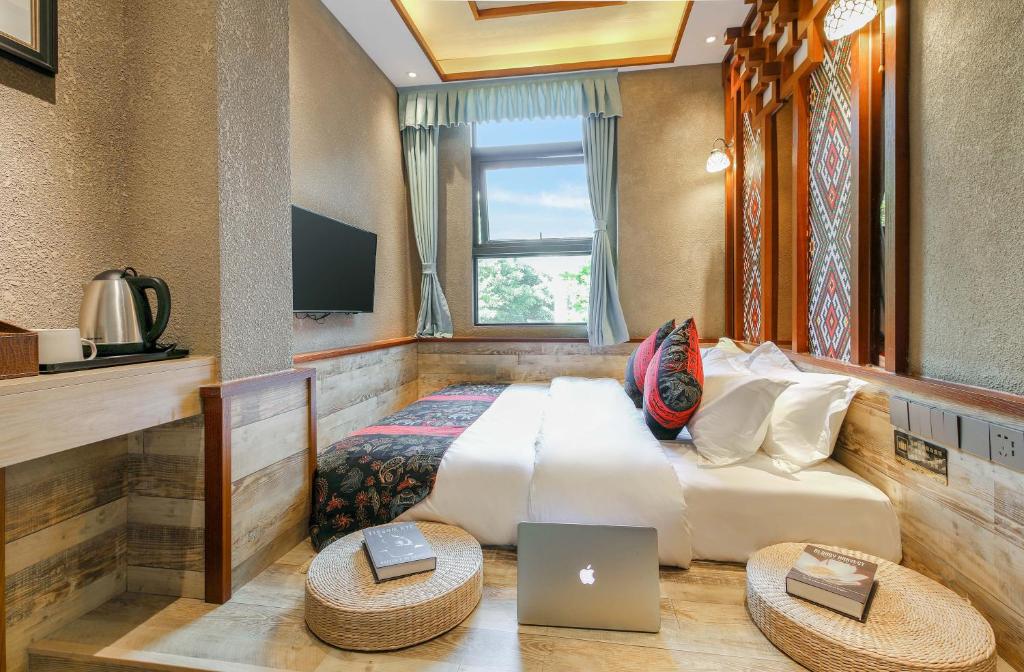

Modern travelers face an accommodation landscape that is more diverse and dynamic than at any other point in hospitality history. Gone are the days when a hotel room was viewed merely as a utilitarian place to drop luggage and sleep between sightseeing tours. Today, where you stay directly shapes the tone, rhythm, and narrative of your journey. As guest expectations evolve to balance functional reliability with cultural immersion, two distinct philosophies dominate the landscape: the intimate, design-forward boutique property and the sprawling, standardized hotel chain. Choosing between the two requires a clear understanding of what each brings to the table and what trade-offs you make with your reservation.
The Essence of Boutique Accommodation
Boutique hotels emerged in the early 1980s as a direct rebellion against the cookie-cutter aesthetics that had come to define mass hospitality. Characterized by limited guest room inventories, typically under one hundred rooms, boutique properties view hospitality through the lens of identity, individuality, and architecture.
-
Distinctive Architecture and Design: Boutique properties frequently occupy historic buildings, repurposed industrial warehouses, or architectural landmarks. Rather than following a uniform brand manual, interiors reflect their immediate surroundings through custom furnishings, locally commissioned artwork, and thoughtful spatial layouts.
-
Hyper-Localized Experiences: Staying at an independent boutique property embeds you straight into the community. From the locally roasted coffee in your room to custom neighborhood walking maps curated by the front desk, the hotel acts as a bridge to the surrounding city.
-
Agile and Personalized Service: With fewer rooms to manage, staff members can pay closer attention to individual preferences. Guests are often recognized by name, and special requests are accommodated with a degree of flexibility that larger operations rarely achieve.
-
Curated Food and Beverage Concepts: Instead of generic breakfast buffets, boutique hotels frequently house independent restaurants, specialty coffee bars, or cocktail lounges that draw locals just as much as overnight guests.
The Power of the Major Hotel Chain
While boutique hotels emphasize novelty, global hotel chains excel at delivering precision, consistency, and scale. These brands have perfected standard operating procedures over decades, creating a reliable foundation for business travelers, families, and those navigating unfamiliar international destinations.
-
Operational Consistency: When you reserve a room with an established global chain, you know precisely what awaits you. The mattress firmness, bathroom amenities, water pressure, and room layout meet predictable corporate benchmarks, virtually eliminating unpleasant surprises.
-
Comprehensive On-Site Amenities: Large chains feature extensive infrastructure that independent properties often lack the physical footprint to support. This includes full-scale fitness centers with top-tier equipment, dedicated business centers, multiple pools, and expansive conference facilities.
-
Extensive Loyalty Ecosystems: Frequent travelers derive immense financial and experiential value from global rewards programs. Earning points across thousands of worldwide properties leads to suite upgrades, guaranteed late checkouts, lounge access, and free reward nights.
-
Strict Safety and Security Protocols: Chain hotels generally feature around-the-clock security, sophisticated keycard access systems, dedicated concierge desks, and well-drilled emergency management procedures, providing peace of mind in high-stress travel scenarios.
Comparing the Guest Experience
Deciding between a boutique hotel and an established chain comes down to evaluating specific operational differences across your trip.
Consistency versus Character
A classic chain ensures that a stay in Tokyo feels reassuringly familiar to a stay in London or Chicago. For business executives who need an uninterrupted night of sleep before a presentation, this predictability is invaluable. Conversely, boutique hotels celebrate idiosyncrasies. You might trade a standardized layout for vaulted ceilings, an exposed brick wall, or hand-painted tiles, turning the room itself into an essential memory of the trip.
Service Dynamics
Chain service is guided by rigorous corporate scripts and structured operational tiers. Interactions are polite, professional, and efficient. Boutique service, on the other hand, tends to be more conversational and intuitive. The front desk clerk might advise you against the popular tourist bistro in favor of a neighborhood kitchen down an alleyway that only locals know about.
Technology and Digital Integration
Major hotel corporations invest heavily in proprietary mobile apps that handle everything from mobile check-in and digital room keys to instant chat with guest services. Independent boutique hotels can sometimes trail in backend digital infrastructure, relying instead on face-to-face interactions or standard messaging channels.
How the Lines Are Blurring
As consumer appetite for personalized travel grows, the divide between boutique and chain properties has started to narrow. Major hospitality groups recognized that younger, experiential travelers were turning away from traditional corporate flags. In response, large parent companies launched soft brands and lifestyle collections.
These collections allow historically independent properties to retain their unique names, local interior designs, and independent restaurants while plugging into the parent company reservation system and loyalty network. Travelers now frequently encounter hybrid options: properties that look and feel like one-of-a-kind boutique gems while honoring global elite status and earning loyalty points. Independent boutique hotels have pushed back by forming their own collective marketing alliances, offering unified booking directories and boutique-focused rewards programs to compete on an international scale.
Choosing the Right Option for Your Journey
The decision to book a boutique property or a major chain should be guided by the context of your specific trip rather than general brand loyalty.
-
Choose a boutique hotel when: You are traveling for leisure, staying in an arts-focused or historic district, seeking a romantic retreat, or prioritizing culinary and cultural discovery over predictable routines.
-
Choose a chain hotel when: You are traveling for business, balancing logistics with young children, arriving late at night in an unfamiliar transit hub, planning an extended trip on accumulated rewards points, or needing guaranteed facilities such as an Olympic-length pool or a full-service business hub.
Ultimately, neither model is objectively superior. The modern traveler is no longer bound to a single travel identity. The same individual might choose a sleek global chain for a three-day midweek conference to maximize productivity and rewards points, then happily book a six-room historic boutique inn over the weekend to immerse themselves in local character. Understanding the distinct strengths of each model ensures that your accommodation complements, rather than complicates, your journey.
Frequently Asked Questions
Do boutique hotels accommodate families as well as chain hotels do?
Chain hotels are generally better equipped for families traveling with children. Large brands regularly offer connecting rooms, pull-out sofa beds, cribs on demand, child-friendly pool areas, and casual dining menus suited for younger palates. Many boutique hotels focus on quiet, adult-oriented atmospheres, featuring historic layouts that may lack elevators, room configurations that cannot fit rollaway beds, or adult-focused policies that limit children under a certain age.
Are independent boutique hotels generally more expensive than chain hotels?
Pricing does not inherently favor one category over the other. Boutique properties range from modest, artistically refurbished motels to ultra-luxury historic estates with steep nightly rates. Similarly, chain brands span budget extended-stay properties to five-star luxury flags. However, because boutique properties have fewer rooms to sell, their rates can fluctuate sharply based on seasonal demand, whereas large chains have the inventory volume to maintain more stable pricing corridors.
How do cancellation policies typically differ between the two models?
Large hotel chains generally offer more forgiving cancellation terms, frequently permitting penalty-free cancellations up to twenty-four or forty-eight hours prior to arrival, particularly for loyalty program members. Because independent boutique hotels have limited inventory, a late cancellation represents a significant percentage of their nightly revenue. As a result, boutique properties often enforce stricter cancellation policies, requiring deposits upfront or non-refundable commitments during peak seasons.
Can independent boutique hotels host corporate retreats or business events?
Yes, boutique hotels excel at intimate executive retreats, creative brainstorming sessions, and private team gatherings where privacy and unique atmosphere are paramount. However, they are rarely equipped to handle large-scale conventions or multi-track seminars. If your business event requires multiple breakout rooms, extensive audiovisual infrastructure, on-site technical crews, and hundreds of identical room bookings, a full-scale conference chain remains the practical choice.
What should business travelers verify before booking a boutique hotel?
Business travelers should verify the presence of an ergonomic workspace inside the room, reliable high-speed Wi-Fi speeds, convenient desk power outlets, and clear late-night check-in procedures. While chains consistently provide dedicated desks, high-output lighting, and business facilities, some design-led boutique hotels prioritize aesthetic seating or compact layouts over functional laptop workstations.
How do chains and boutique properties handle guest complaints differently?
Chain hotels follow standardized compensation matrices and escalation ladders, empowering on-duty managers to award reward points, waive resort fees, or provide room credits when problems arise. Boutique hotels handle issues on a more direct, human level. Because the general manager or property owner is often on-site, resolutions can be tailored creatively, ranging from an upgraded room and complimentary dinners to personalized gestures from the leadership team.
Is accessibility handled differently in boutique hotels compared to chains?
Global chains are subject to strict corporate architectural standards and national accessibility laws, ensuring wide corridors, roll-in showers, zero-threshold entries, braille signage, and pool lifts. Many boutique hotels reside inside protected historic buildings or retrofitted older architecture, which can sometimes result in narrow staircases, heavy vintage doors, or split-level layouts. Travelers with specific mobility needs should always contact a boutique property directly to confirm physical layout details before booking.

Comments are closed.